
The BiteLume journal
Food tracking, explained for everyday life
Clear, evidence-aware articles for people who want less nutrition noise and more practical ways to understand everyday meals.
Browse the journal
Food tracking, without the noise

Calculate nutrition for a homemade recipe
Turn an ingredient list into a useful per-serving estimate by recording edible amounts, totaling nutrients and weighing the finished batch.
Keep reading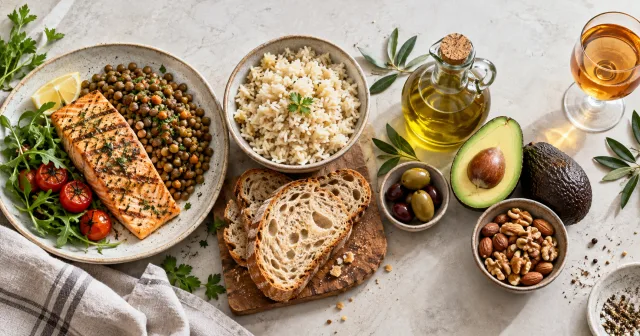
Calories per gram: the 4-4-9 rule
The 4-4-9 rule is a useful macro check, not a perfect way to reconstruct every food label. Learn the factors, the exceptions and how to use them.
Keep reading
Estimate calories without a label
When a meal has no label, build the estimate from visible components, reliable food records and the portion evidence you actually have.
Keep reading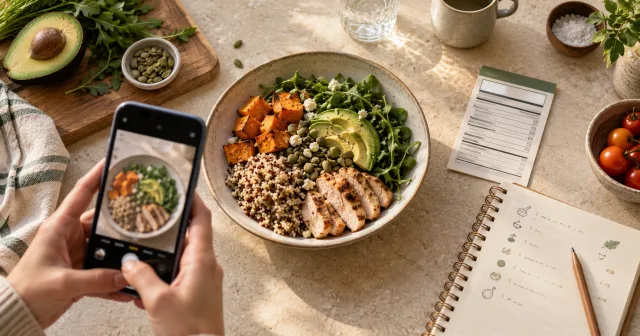
How food calories are calculated
A calorie number can come from laboratory analysis, regulated label calculations or an estimate built from ingredients and portions. Here is what each method can and cannot tell you.
Keep reading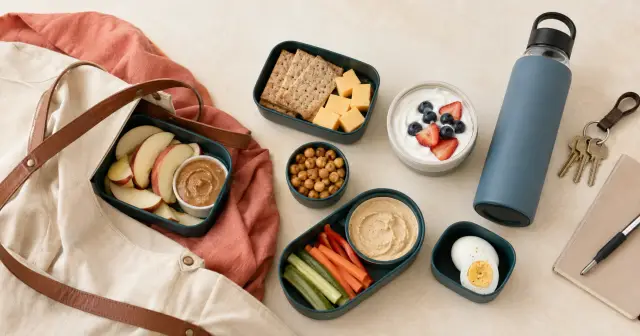
12 flexible snacks for busy days
Choose a snack for the job—portable, satisfying, affordable or easy to store—then log the product and portion you actually eat.
Keep reading
12 adaptable high-protein breakfasts
Choose a clear protein food, add the rest of the meal for your preferences and verify portions instead of copying a generic macro total.
Keep reading
A flexible vacation food log
Decide how much tracking will help before the trip, preserve meals with quick photos and let unknown recipes remain honest estimates.
Keep reading
Do liquid calories count?
Drinks can contain energy from carbohydrate, protein, fat and alcohol. Use labels, recipes and menu facts before relying on appearance.
Keep reading
Does coffee have calories?
Separate the coffee from milk, sugar, syrup, creamer and toppings so the drink you log matches the one you actually had.
Keep reading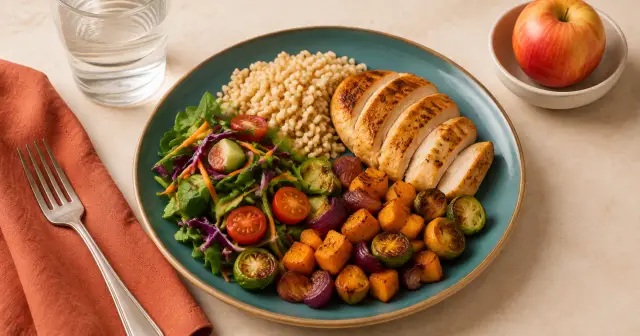
How to build a balanced meal
A balanced meal is a flexible combination, not one perfect plate. Give each ingredient a useful job, then adjust portions for your appetite and context.
Keep reading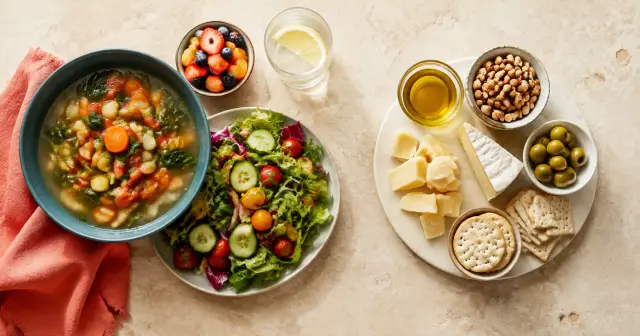
Calorie density explained with meal examples
Calorie density describes how much energy is packed into a given weight of food. The idea explains why equal-size portions can have very different calories.
Keep reading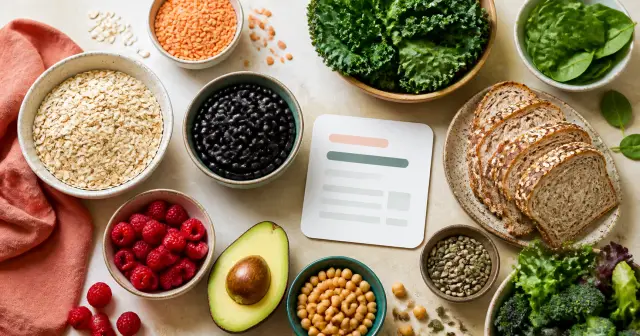
Does fiber count as carbs?
On U.S. labels, dietary fiber sits within total carbohydrate. Net carbs is a separate marketing calculation, not a standardized FDA label value.
Keep reading
Added sugar vs total sugar on food labels
Total sugar is the complete sugar amount in one serving. Added sugar is the part introduced during processing or preparation—not another number to add.
Keep reading
How to read a Nutrition Facts label
A food label becomes much easier to use when you start with the serving, match it to your portion and only then read calories and nutrients.
Keep readingCheck whether a photo calorie app is really free
Use the current App Store listing, in-app paywall and Apple purchase sheet to distinguish a free download from a free tier or trial.
Keep reading9 checks for comparing AI calorie counter apps
Use a transparent nine-part scorecard to compare calorie scanners on your own meals instead of trusting a universal winner claim.
Keep readingCalories Eaten vs. Calories Burned
Energy intake and expenditure matter over time, but neither side of an app dashboard is a laboratory measurement. Learn how to use both without false precision.
Keep readingWhy Track Water, Weight and Food Together?
Water, weight and food logs describe different parts of a day. Seeing them together can prompt better questions—as long as correlation is not mistaken for cause.
Keep readingEasy Calorie Tracking for Busy People
A realistic routine captures meals at natural checkpoints, spends effort where uncertainty is highest and saves the deeper review for a calmer moment.
Keep readingHow to Stay Consistent With Calorie Tracking
Consistency is not an unbroken streak. It is a routine that survives meetings, travel, restaurant meals and the occasional forgotten log.
Keep readingReview a photo food log in 10 minutes
Use a short weekly review to turn meal pictures into neutral observations about timing, repetition, context and gaps in the visual record.
Keep readingDoes Cooking Change Calories?
Cooking can change a food's weight, water and added ingredients without creating energy from nowhere. The raw-versus-cooked logging trap is mostly a denominator problem.
Keep readingWhy Portion Size Changes Calorie Estimates
A plate can look familiar while hiding a very different amount of food. Learn what makes photo portions difficult and how to give an AI scanner better clues.
Keep readingWeekly vs. Daily Calorie Tracking
Daily totals catch details. Weekly averages reveal the shape of real life. Here is how to use both without turning one unusual meal into a punishment.
Keep readingMacros for weight loss, without the hype
A macro split can organize an energy deficit, but it is not a metabolic password. Choose a pattern that supports nutrition, preferences and consistency.
Keep readingTrack protein for muscle gain
Protein matters alongside resistance training, but more is not endlessly better. Track a suitable range, find the meals with gaps and improve the pattern.
Keep readingCalculate a meal-prep batch once
Calculate the full batch, connect it to cooked yield and divide it among the containers you will actually eat during the week.
Keep readingTrack takeout without nutrition info
Rebuild the order from visible components, menu language and a comparable reference—then spend your effort on portions, sauces and sides.
Keep readingEstimate calories in mixed dishes
Estimate an unknown mixed dish by mapping its base, protein, vegetables, sauce, cooking fat and toppings instead of inventing an exact recipe.
Keep readingTake a scan-ready meal photo
Give a calorie scanner clearer evidence with a complete meal, even light, visible portion boundaries and the context a camera cannot capture.
Keep readingHidden calories in oils and sauces
The ingredient most likely to change a meal estimate may be the one spread thinly across it. Use recipe clues, texture and a quick extras check.
Keep reading8 calorie tracking mistakes to fix
A useful food log does not need laboratory precision. It needs consistent portions, honest extras and enough context to explain the pattern.
Keep readingPhoto, barcode and manual logging compared
No logging method wins every meal. Use a barcode for the exact packaged product, manual search for known portions, and a photo for visual speed and context.
Keep readingCalories vs macros: differences and examples
Calories show total food energy. Macros show the protein, carbohydrate and fat behind that energy. Compare both and choose the smallest useful tracking set.
Keep readingYour next meal is enough to start
Take a photo. Find your rhythm.
Download BiteLume on iPhone and turn everyday meals into a clearer view of calories, macros and progress.